


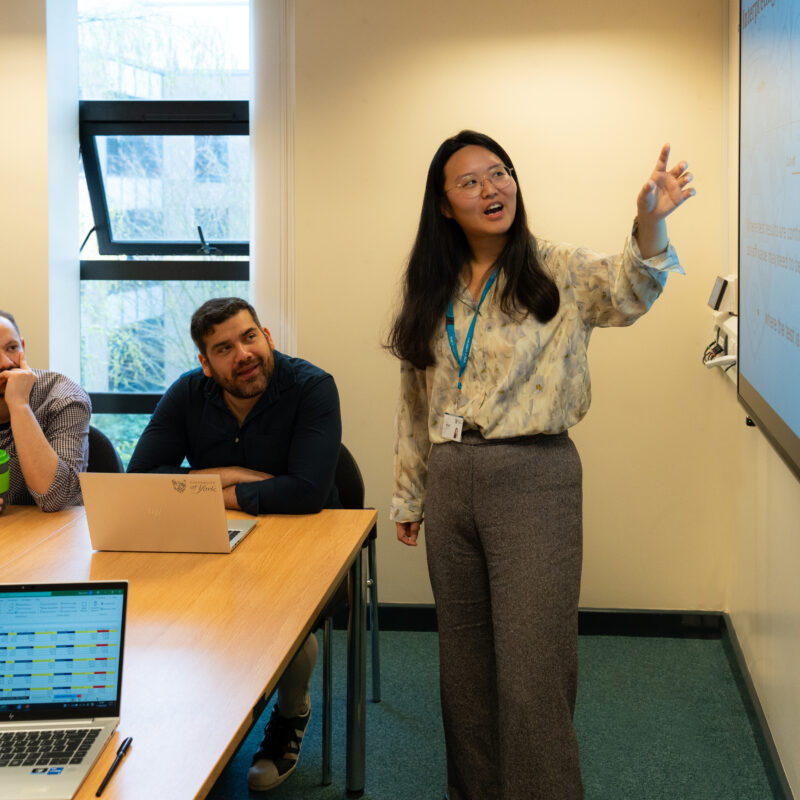
Building a research team means finding the best mix of people and perspectives to approach a complex topic. It also means striving for genuine diversity, addressing hierarchies and creating a space where everyone can work together. Research teams are not just made up of researchers; they might include support experts and external partners, all with different backgrounds and levels of experience. No matter who is involved, in equitable and inclusive environments everyone helps make decisions through flexible ways of working and clear communication. Work is shared responsibly and all members get credit for their contributions. By taking up these actions, your team can pioneer a collaborative practice that results in more impactful research.
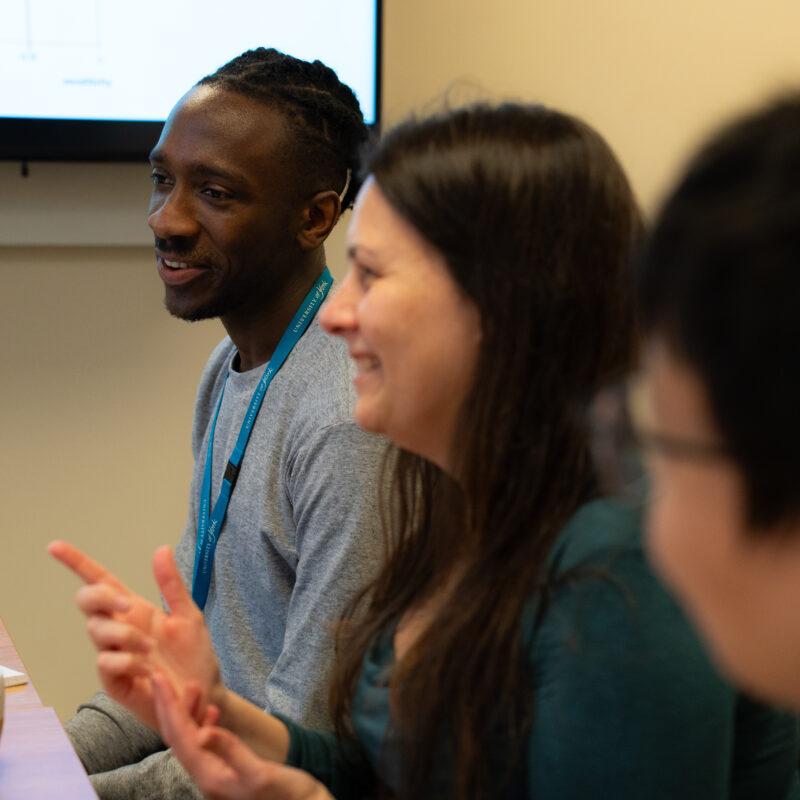
Teams thrive when everyone feels included and supported. When people from different backgrounds work together, it pushes everyone to find common ground, even while holding different viewpoints. By sharing resources, research support experts, early career researchers and colleagues from non-traditional backgrounds and in Global South can take on more significant roles that remove power imbalances and deliver adequate recognition. Better opportunities and recognition within a project can open doors beyond it, helping to develop and secure everyone’s careers. Ultimately, by pushing the boundaries of inclusion, your team can make research more beneficial to everyone.
A note on leadership:
Though leadership applies to all our principles, it is particularly relevant to equity and diversity in teams. The way an individual leads a team sets the tone for the culture in any setting. But that culture is also affected by the wider organisation, which has its own leadership and objectives. We can choose to consciously create a culture that is fair and equitable for the people who work in it and those we collaborate with. If we do not consciously create a positive culture, a culture will establish itself – this may be a positive culture but equally may result in behaviours and practices becoming embedded that do not align with our aspirations. Our resources include information on leadership models that are inclusive and recognise leadership skills in a variety of contexts, not just within roles that traditionally signify leadership.
Valuing Voices is a partnership project between colleagues from the University of York and Mahidol University.


Valuing Voices is a two-year project funded by Wellcome under the Institutional Funding for Research Culture grant.