


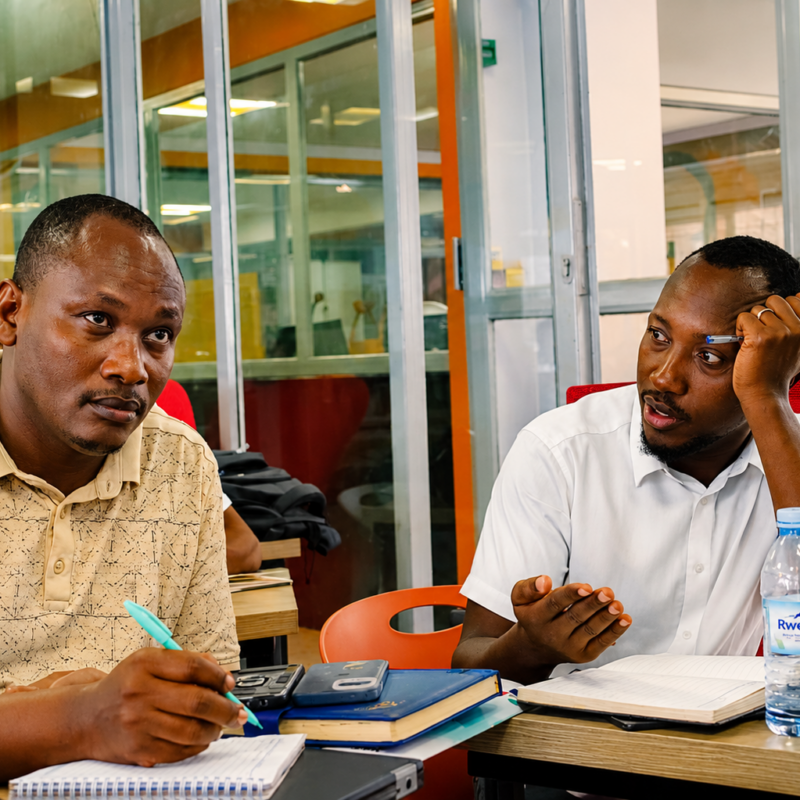
Reflection is more than just a team meeting. It means regularly creating a safe place for all team members to identify, describe and analyse how the project is going. If you don’t have a team, it means making individual space to understand and develop the most valuable aspects of your work. This approach allows your goals to evolve and gives room for considering wider impacts, especially when you include stakeholders. Overall, reflection helps to keep your research on track and to be adapted in light of changes along the way, while ensuring everyone involved feels valued and aligned.

Research funders expect you to deliver your research efficiently and on time. Regular reflection keeps you on course. It helps you to work more effectively as a team and an individual researcher, respond to change, and act on lessons learned. Documenting reflections also allows you to keep track of insights, which you may want to share with other researchers. Your findings may even prompt new research agendas. Ultimately, reflection and learning are stepping stones towards a more self-aware research culture.
Valuing Voices is a partnership project between colleagues from the University of York and Mahidol University.


Valuing Voices is a two-year project funded by Wellcome under the Institutional Funding for Research Culture grant.