


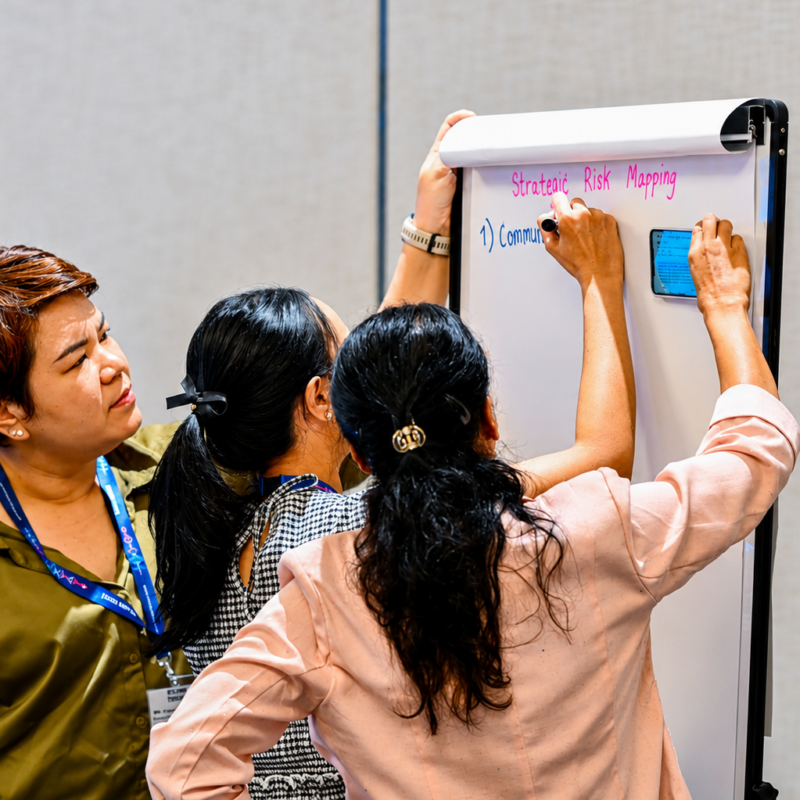
Strategic risk mapping requires you and your team to think about the risks to the success of your project, their probability and their severity. This allows you to prioritise the risks and put plans in place to manage them. Strategic risks are ‘high level’ risks – such as geopolitical tensions, reputation and compliance – that can affect your project’s overall objectives. Whereas operational risks can affect day–to-day activities. However, some operational risks can also be strategic risks to your project. It is important to remember the human factor in your project. Therefore risks to people’s physical and emotional wellbeing should be included.

Strategic risk mapping provides you and your team with a clear picture of potential dangers that could undermine your project’s success. Knowing which threats are most serious will help you focus your resources to manage those risks. It may even lead you to redesign your project or take your research in a different direction. Ultimately strategic risk mapping will result in stronger research and a reduction in research waste.

Keep your research project on track by identifying risks from the start. In this session we define key aspects of strategic risk mapping, look at best practice case studies, and give you practical strategies for identifying, prioritising, and monitoring risks.
Valuing Voices is a partnership project between colleagues from the University of York and Mahidol University.

Valuing Voices is a two-year project funded by Wellcome under the Institutional Funding for Research Culture grant.